
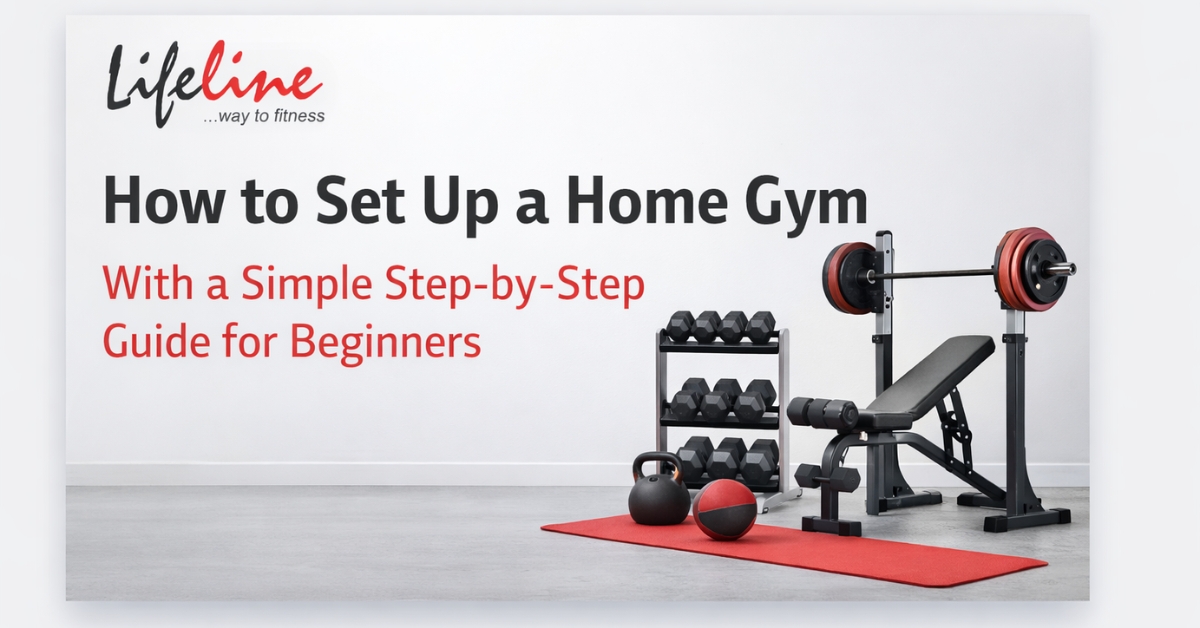

Setting up a home gym is one of the smartest decisions for people who want to stay active without depending on commercial fitness centers. A well-planned home gym saves time, offers privacy, and allows you to exercise at your own pace. For beginners, however, the process can feel confusing due to the wide variety of equipment, space concerns, and budget planning. This step-by-step guide explains everything in a clear and simple way so you can build a practical workout space that supports long-term fitness goals.
Step 1: Understand Your Fitness Goals Clearly
Before purchasing anything, it is important to define your fitness goals. Beginners often make the mistake of buying random equipment without knowing how they plan to use it. Ask yourself whether your main focus is weight loss, muscle building, general fitness, flexibility, or a mix of all.
If your goal is overall health, basic strength training and light cardio tools are enough. For muscle building, resistance-based tools become more important. Clear goals help you avoid unnecessary spending and ensure that your home gym stays functional instead of cluttered.
Step 2: Choose the Right Space in Your Home
You do not need a large room to start a home gym. A spare bedroom, balcony area, or even a corner of your living room can work well. The key is choosing a space that is safe, ventilated, and comfortable.
Ensure the floor is strong enough to handle movement and equipment. Natural light and airflow improve workout comfort and motivation. If space is limited, prioritize compact and foldable equipment that can be stored easily after use.
Step 3: Set a Practical Budget
Budget planning is essential, especially for beginners. Many people believe setting up a gym at home is expensive, but that is not true. A simple and effective setup can be created with a reasonable budget.
Start with essential items and upgrade gradually as your fitness level improves. Avoid buying advanced machines in the beginning. Focus on quality rather than quantity, as reliable equipment lasts longer and performs better.
Step 4: Start With Essential Equipment Only
Beginners should focus on versatile tools that support multiple exercises. This is where Home Gym Equipment becomes important. Choosing multi-purpose items allows you to train different muscle groups without overcrowding your space.
Some essential items include exercise mats for floor workouts, adjustable dumbbells for strength training, resistance bands for flexibility and mobility, and a skipping rope for cardio. These tools support full-body workouts and are easy to use.
Many beginners also prefer buying from trusted Home Gym Equipment Manufacturers because they focus on safety standards, durability, and user-friendly designs. Reliable manufacturers ensure that the equipment performs well over time and supports gradual progression.
Step 5: Add Basic Cardio Options
Cardio training is important for heart health, stamina, and calorie control. Beginners do not need large machines immediately. Simple tools like skipping ropes or compact steppers work well.
If space and budget allow, you may consider a basic treadmill or exercise cycle. Choose machines with simple controls and low maintenance needs. Cardio equipment should feel comfortable and encourage regular use rather than becoming intimidating.
Step 6: Focus on Safety and Comfort
Safety is often overlooked by beginners but plays a major role in consistency. Always include proper flooring such as rubber mats to reduce impact and prevent slipping. This also protects your floor from damage.
Comfortable workout clothes, supportive shoes, and basic accessories like gloves improve grip and reduce strain. Keep a water bottle and towel nearby to stay hydrated and comfortable during workouts.
Step 7: Plan a Beginner-Friendly Workout Routine
Having equipment is not enough; you also need a simple workout plan. Beginners should start with basic movements that focus on form and control rather than intensity.
A balanced routine includes light cardio, strength training, and stretching. Keep workouts short in the beginning, around twenty to thirty minutes, and gradually increase duration as your endurance improves. Consistency matters more than long or intense sessions.
Step 8: Organize Your Equipment Properly
Organization helps maintain motivation and safety. Store your equipment neatly using racks or wall hooks. This prevents clutter and reduces the risk of accidents.
When your workout space looks clean and accessible, you are more likely to use it regularly. Easy access saves time and removes excuses for skipping workouts.
Step 9: Buy Equipment From Reliable Sources
Choosing the right seller is as important as choosing the equipment itself. A trusted Home Gym Equipment supplier ensures proper product quality, clear instructions, and customer support. Reliable suppliers also offer warranties and after-sales assistance, which is helpful for beginners.
Buying from well-known online platforms or specialized fitness stores allows you to compare options, read reviews, and make informed decisions.
Step 10: Think Long-Term and Upgrade Slowly
A home gym is not built overnight. Beginners should focus on building a strong foundation rather than buying everything at once. As your strength and confidence grow, you can add advanced tools like benches, barbells, or functional trainers.
This gradual approach keeps workouts interesting and ensures that every addition serves a clear purpose.
Benefits of Setting Up a Home Gym for Beginners
One of the biggest advantages of training at home is flexibility. You can work out at any time without worrying about gym schedules or travel. This saves time and makes fitness easier to maintain.
A home gym also offers privacy, which is helpful for beginners who feel uncomfortable in crowded gyms. You can focus on learning movements without pressure or comparison.
Another benefit is cost efficiency. Over time, a home gym becomes more economical than monthly gym memberships, especially for families or long-term users.
Common Mistakes Beginners Should Avoid
Many beginners buy too much equipment too soon. This often leads to confusion and wasted money. Stick to basics until you understand your workout preferences.
Ignoring warm-ups and stretching is another common mistake. Proper warm-up prepares your body for exercise and reduces injury risk.
Finally, beginners sometimes expect quick results. Fitness is a gradual process. Patience and consistency are key to long-term success.
High-Value Tips for Better Results
Use online workout videos or beginner fitness apps to learn proper form. Track your progress using simple notes or mobile apps to stay motivated.
Keep your workout space clean and inviting. Small changes like good lighting or music can make workouts more enjoyable.
Most importantly, listen to your body. Rest when needed and avoid pushing beyond your limits in the early stages.
Frequently Asked Questions
1. How much space do I need to set up a home gym?
You can start with a small corner or spare room. Even limited space is enough for basic workouts.
2. Is it necessary to buy expensive equipment as a beginner?
No, beginners can achieve good results using simple and affordable tools.
3. How often should beginners work out at home?
Two to three sessions per week are ideal for beginners, allowing enough recovery time.
4. Can beginners build muscle with home workouts?
Yes, with proper exercises and consistency, muscle strength can be built at home.
5. Should beginners follow a fixed workout plan?
A simple and flexible plan is recommended to build routine and avoid burnout.
Conclusion
Setting up a home gym does not need to be complicated or expensive. With clear goals, proper planning, and the right Home Gym Equipment, beginners can create a workout space that supports long-term health and fitness. Starting small, focusing on safety, and building consistency are the keys to success.
If you are still exploring reliable purchase options, you may find our earlier guide, Where to Buy the Best Gym Equipment Online, helpful for understanding trusted platforms and smart buying tips. By taking a thoughtful and step-by-step approach, your home gym can become a sustainable part of your daily lifestyle rather than a short-term setup.