

Creating a workout space at home has become a practical choice for people who want convenience, flexibility, and long-term fitness results. However, buying the right Home Gym Equipment requires careful planning. Many buyers focus only on price or appearance and later discover that the equipment does not meet their needs. A smart investment should support your fitness goals, fit your available space, and provide value for years to come.
Whether you are a beginner starting your fitness journey or an experienced athlete building a personal training area, understanding what features matter most can help you make a better decision. The right equipment improves workout efficiency, enhances safety, and keeps you motivated to stay consistent.
In this guide, we will explore the top five features you should evaluate before making a purchase. These factors can help you choose equipment that delivers performance, durability, and comfort while creating a more effective workout environment at home.
Why Choosing the Right Home Workout Setup Matters?
A well-planned fitness space can save time and money while making exercise a regular part of your daily routine. Instead of commuting to a fitness center, you can train whenever it fits your schedule. However, achieving these benefits depends on selecting equipment that matches your workout requirements.
Many people purchase machines based on advertisements or temporary discounts. Unfortunately, this approach often leads to unused equipment occupying valuable space. Therefore, evaluating key features before purchasing is essential. Moreover, understanding quality standards can prevent costly mistakes and improve long-term satisfaction.
A properly designed Home Gym allows users to perform a variety of exercises safely and efficiently. As a result, choosing equipment with the right specifications becomes an important step toward achieving lasting fitness goals.
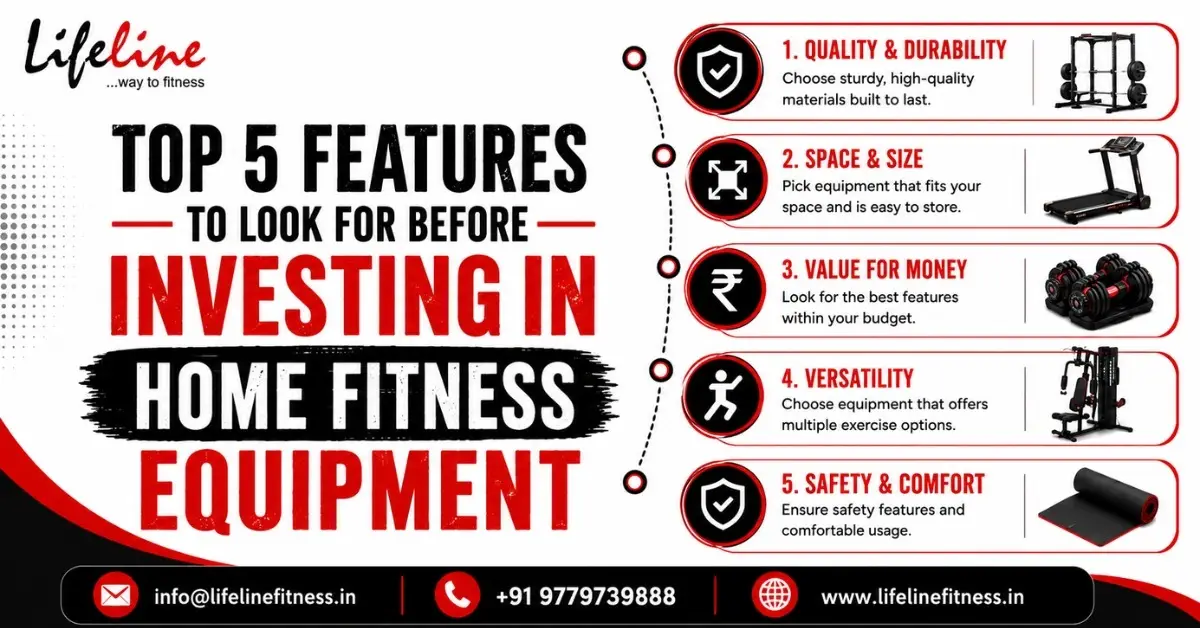
Top 5 Features to Look for Before Investing
-
Check Equipment Build Quality and Frame Strength
The first feature to examine is overall build quality. Strong construction directly impacts durability, stability, and user safety. Equipment made with high-quality steel frames generally lasts longer and performs better under regular use.
When evaluating a machine, look at the thickness of the steel, welding quality, and protective coatings. Powder-coated finishes help prevent rust and corrosion, extending the life of the equipment. In addition, sturdy frames reduce vibrations during workouts, creating a more comfortable exercise experience.
Weight capacity is another important consideration. Equipment should support your body weight while also accommodating future fitness progress. Furthermore, stronger machines tend to require less maintenance over time.
Reliable manufacturers invest heavily in quality control processes. Therefore, purchasing from established Home Gym Equipment Manufacturers can provide additional confidence regarding product performance and safety standards.
-
Evaluate Exercise Variety and Training Flexibility
One of the biggest advantages of modern fitness equipment is the ability to perform multiple exercises using a single system. Before investing, consider whether the equipment supports your current and future workout goals.
A versatile setup allows users to train different muscle groups without purchasing several separate machines. This not only saves money but also maximizes available space. For example, equipment offering chest presses, lat pulldowns, leg extensions, rowing movements, and cable exercises can provide a complete body workout.
Flexibility is equally important. Adjustable resistance levels, movable seats, and customizable settings help users of different fitness levels perform exercises comfortably. Additionally, adaptable equipment remains useful as strength and training requirements change.
When comparing options, pay close attention to how many workout variations the equipment offers. A high-quality Home Gym Machine should support a broad range of exercises while maintaining smooth and controlled movement patterns.
-
Consider Space Efficiency and Home Placement Needs
Space planning is often overlooked during the buying process. However, equipment dimensions significantly affect usability and convenience. Before purchasing, measure the available area and compare it with the machine’s footprint.
Large equipment may seem appealing, but it can make a room feel crowded if not properly planned. Therefore, selecting equipment that balances functionality and space efficiency is essential. Compact designs are especially beneficial for apartments, smaller homes, and dedicated workout corners.
Additionally, consider ceiling height requirements. Certain machines need extra clearance for overhead movements and attachments. Ignoring these measurements can create installation challenges later.
Foldable and modular systems offer additional flexibility. These designs allow users to optimize space while maintaining workout effectiveness. Furthermore, machines with integrated storage solutions help keep workout areas organized and visually appealing.
A thoughtful layout improves comfort, movement flow, and accessibility. Consequently, your exercise routine becomes more enjoyable and easier to maintain.
-
Focus on User Comfort and Safety Features
Comfort and safety play a major role in workout consistency. Equipment that feels uncomfortable or difficult to use often ends up collecting dust. Therefore, assessing ergonomic features before purchasing is extremely important.
Look for adjustable seats, supportive backrests, padded handles, and comfortable grips. These features help maintain proper exercise form and reduce strain on joints and muscles. Moreover, comfortable equipment encourages longer and more productive workout sessions.
Safety mechanisms deserve equal attention. Smooth cable systems, secure locking pins, non-slip footplates, and stable support structures help prevent accidents during exercise. In addition, machines should provide controlled resistance without sudden jerks or unstable movement.
Beginners especially benefit from user-friendly designs. Easy adjustments reduce confusion and allow users to focus on exercise performance rather than equipment operation.
Choosing equipment with strong safety standards contributes to better workout confidence and reduces injury risks over time.
-
Assess Warranty Support and Service Reliability
Even the highest-quality equipment requires occasional maintenance. For this reason, warranty coverage and after-sales support should be major factors in your decision-making process.
A comprehensive warranty demonstrates manufacturer confidence in product quality. Typically, longer warranties indicate better construction and durability. Before purchasing, review coverage details for frames, moving parts, cables, and other components.
Responsive customer service is equally valuable. If replacement parts or technical support are needed, reliable assistance can save time and frustration. Furthermore, professional installation support may help ensure proper equipment setup.
When evaluating brands, research customer feedback regarding service experiences. Consistent positive reviews often indicate dependable support systems. Additionally, local availability of spare parts can simplify future maintenance requirements.
Working with a trusted Home Gym Equipment supplier can improve the overall ownership experience by providing expert guidance, installation assistance, and ongoing support whenever required.
Additional Factors That Improve Long-Term Value
Beyond the primary features discussed above, several additional considerations can influence your purchasing decision.
Technology integration has become increasingly common in modern fitness equipment. Features such as digital displays, workout tracking, heart-rate monitoring, and app connectivity can enhance user engagement. These tools help track progress and maintain motivation over time.
Noise levels should also be considered, especially in shared living spaces. Quiet operation creates a more comfortable environment and minimizes disruptions to family members or neighbors.
Maintenance requirements represent another important factor. Equipment designed for easy cleaning and routine servicing generally offers a better ownership experience. Consequently, users spend less time on upkeep and more time exercising.
Energy efficiency may also be relevant for motorized machines. Selecting equipment that balances performance with reasonable energy consumption can reduce long-term operating costs.
How to Match Equipment With Your Fitness Goals?
Every buyer has unique objectives. Therefore, equipment selection should align with individual training priorities.
People focused on weight loss often benefit from cardio-focused systems combined with resistance training options. Those seeking muscle development may prioritize strength-training features and progressive resistance capabilities.
Athletes usually require equipment that supports performance-specific exercises. Meanwhile, families often prefer versatile systems that accommodate multiple users with varying fitness levels.
Creating a list of goals before shopping can simplify the decision-making process. Moreover, understanding your priorities helps eliminate unnecessary features that add cost without delivering meaningful benefits.
Investing with a clear purpose increases the likelihood of consistent use and long-term satisfaction.
Why Quality Equipment Delivers Better Results Over Time?
Purchasing fitness equipment should be viewed as a long-term investment rather than a short-term expense. High-quality machines often provide superior performance, greater reliability, and enhanced user experiences.
Cheaper alternatives may initially appear attractive. However, frequent repairs, limited functionality, and shorter lifespans can increase overall costs. In contrast, durable equipment continues delivering value for many years.
Trusted brands such as Lifeline Fitness focus on quality engineering, user safety, and practical functionality. As a result, buyers gain access to equipment designed to support sustainable fitness routines and long-term performance.
Additionally, premium equipment often retains its value better, making future upgrades or resale opportunities more favorable.
Conclusion: Make a Smart Investment for Lasting Fitness Success
Selecting the right fitness equipment involves more than comparing prices. Build quality, exercise versatility, space efficiency, user comfort, and warranty support all contribute to long-term satisfaction and workout success.
By carefully evaluating these five essential features, buyers can avoid common mistakes and invest in equipment that supports their fitness goals for years to come. Whether you are building a compact workout corner or a fully equipped training space, making informed decisions will help maximize both performance and value.
As you continue researching equipment options, don’t forget to read our related guide, “What Is The Best Machine for a Home Gym?” to gain additional insights before making your final purchase. With the right planning and the right equipment from trusted providers such as Lifeline Fitness, creating an effective workout environment at home becomes much easier.
Frequently Asked Questions
1. What should I consider first when buying fitness equipment for home use?
The first factor to evaluate is your fitness goal. Understanding whether you want weight loss, strength training, endurance improvement, or overall fitness will help narrow down the most suitable equipment options.
2. How much space is needed for a home workout setup?
The required space depends on the type of equipment you choose. Always measure your available area and compare it with product dimensions while leaving enough room for safe movement around the machine.
3. Is expensive equipment always better?
Not necessarily. While premium equipment often offers better durability and features, the best choice is one that matches your fitness needs, available space, and budget while maintaining strong quality standards.
4. How important is warranty coverage when purchasing equipment?
Warranty coverage is extremely important because it protects your investment. A strong warranty often reflects manufacturer confidence in product quality and provides peace of mind for long-term ownership.
5. Can one machine provide a full-body workout?
Yes. Many modern multi-functional systems are designed to target multiple muscle groups and support a variety of exercises, making them suitable for comprehensive full-body training routines.